Electric Classics 5 min read
Choosing the Right Donor for a Classic Electric Conversion
A promising electric classic starts with the right original vehicle. Structural condition, completeness and room for engineering matter more than an attractive purchase price.
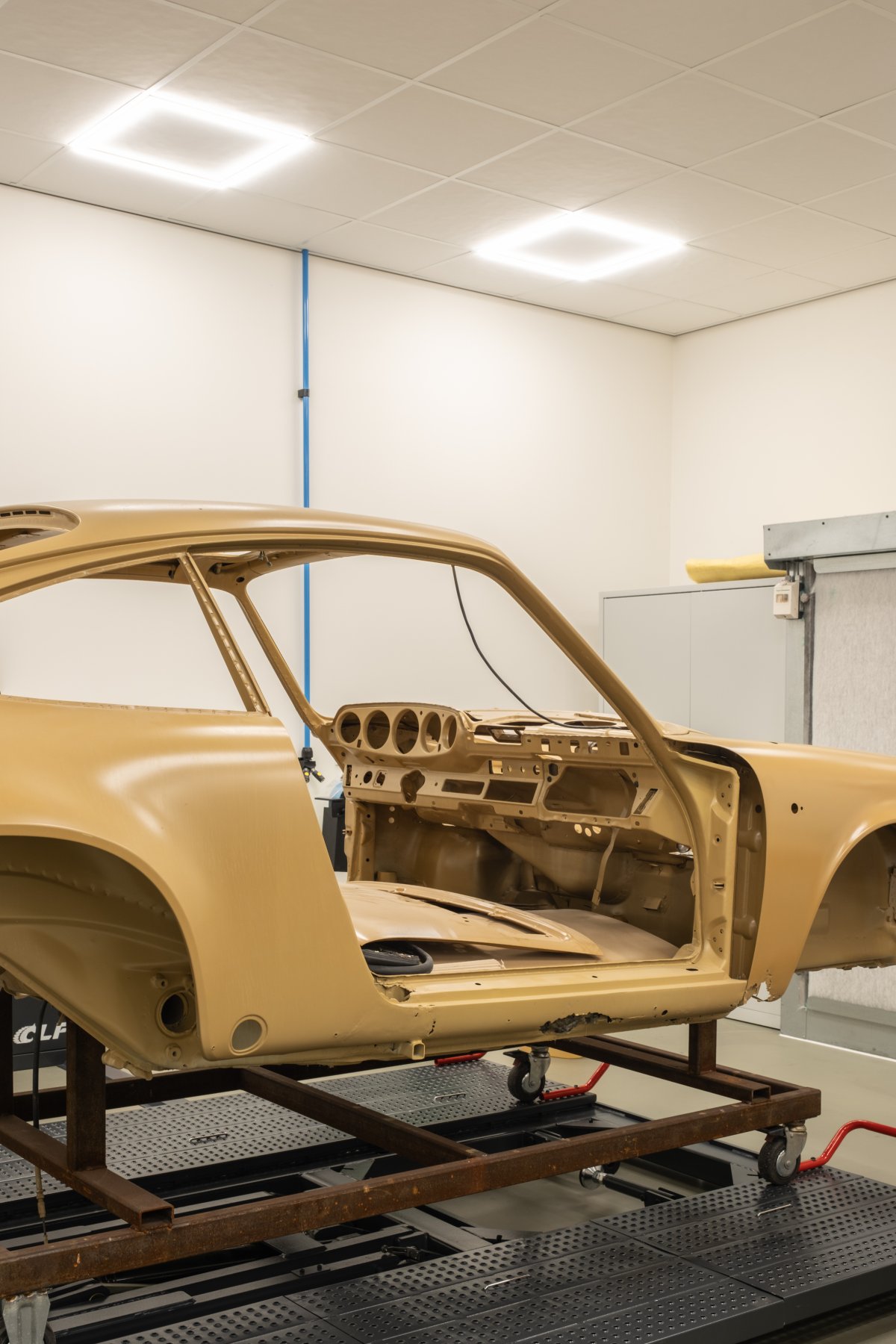
A classic advertised with a tired engine can look like an obvious candidate for electric conversion. If the engine is coming out anyway, why pay for a healthy one? The reasoning has some merit, but it overlooks the parts of the car that must still provide the foundation for its next life: the structure, body, running gear and numerous small components that make a restoration complete.
Choosing a donor is therefore less about finding a classic with a disposable powertrain and more about understanding the whole vehicle. The useful questions concern what can be retained, what needs rebuilding and whether the proposed transformation suits the car and its owner. An informed assessment begins before a purchase, not after the vehicle reaches the workshop.
Begin with the car you want to use
Before comparing advertisements, define the role of the finished car. A two-seat weekend companion and a grand tourer carrying passengers and luggage present different priorities. Access, seating, luggage space and overall dimensions remain important even when the means of propulsion changes.
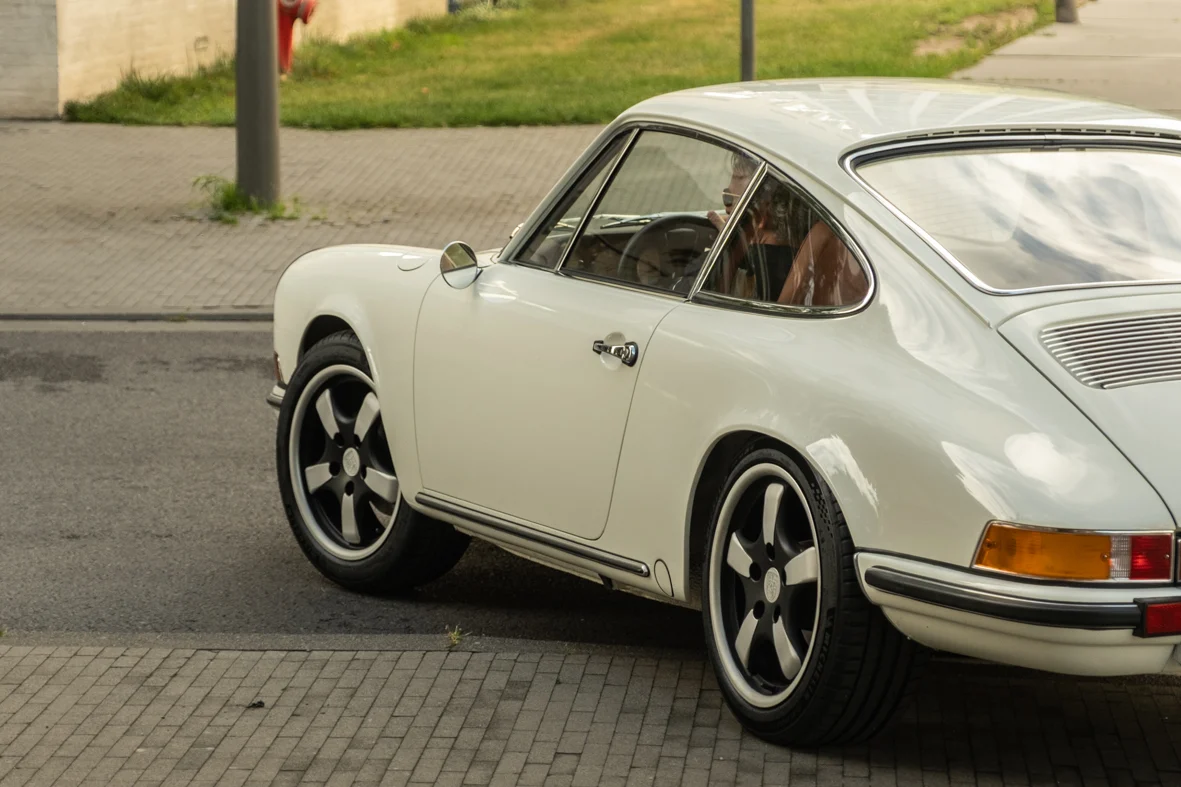
Look beyond the appeal of a particular silhouette. Spend time considering the original car’s proportions and practical limitations, including how easily you can enter it and whether its accommodation suits your needs. Electric conversion should not be expected to resolve every compromise inherent in an older design.
This brief also gives an initial assessment a clear purpose. Rather than asking whether a vehicle can be converted in the abstract, ask whether it is a sensible starting point for the way you intend to use it. That distinction helps prevent an appealing purchase from becoming an unsuitable project.
Put structural condition ahead of presentation
Paint, upholstery and brightwork are immediately visible; the condition beneath them is less obvious. Depending on the vehicle’s construction, sills, floors, chassis members and suspension mounting areas may warrant particular attention. A polished exterior does not establish that these underlying areas are sound.
Previous repairs deserve scrutiny as well as corrosion. An inspection should consider repair quality, alignment and signs that damage has been concealed rather than properly addressed. The relevant inspection points vary by model and construction, so a general checklist cannot replace a knowledgeable physical examination.
Where access is restricted, uncertainty should remain explicit. A seller’s photographs or a brief viewing may not establish the full scope of restoration work. Distinguishing confirmed condition from areas still requiring investigation creates a more useful basis for deciding whether to proceed.
Count the parts that are easy to overlook
A donor can be mechanically tired yet substantially complete, or freshly painted but missing difficult-to-find details. Glass, exterior trim, window mechanisms, hinges, latches and fittings all deserve attention. Small omissions can create disproportionate sourcing and fitting work during a restoration.
Completeness is not the same as usability. A component may be present but damaged, incorrectly fitted or unsuitable for the proposed finish. An inventory should distinguish parts that appear reusable, those needing refurbishment and those likely to require replacement, while allowing for discoveries during dismantling.
The original engine’s condition is therefore only one part of the purchasing decision. Even where the combustion powertrain will be removed, other systems and assemblies still need assessment. Comparing donors on this broader basis is more informative than comparing asking prices or engine-running videos alone.
- Glass, seals and window mechanisms
- Exterior trim, lamps and body fittings
- Door, bonnet and boot hinges and latches
- Loose parts supplied separately with the vehicle
Treat empty space as an engineering question
An engine bay that looks spacious does not, by itself, establish conversion suitability. A proposed electric installation must be considered across the vehicle, including component dimensions, mounting arrangements, cable routing and access for inspection or servicing. These are connected design questions rather than a simple exercise in filling available cavities.
Battery placement also needs to be considered alongside vehicle structure, axle loads, suspension and the space intended for occupants and luggage. An apparently convenient location may introduce compromises elsewhere. Suitability cannot be inferred from exterior dimensions or from another car with a similar appearance.
This is where a donor assessment needs engineering input rather than visual optimism. Any proposed arrangement remains specific to the vehicle and selected components, with detailed assessment and validation required. General packaging principles are useful for asking better questions, not for confirming a conversion design.
Arrange an assessment before committing
At Revolt Classics, every Revolt Electric begins with a carefully selected original donor chassis. Owners may provide their own vehicle, subject to prior assessment and approval, or purchase a suitable donor in accordance with Revolt’s specifications. Revolt transforms customer-owned vehicles rather than selling donor cars.
For a prospective owner, that makes the timing of the conversation important. Discussing a candidate before purchase allows its condition and suitability to be considered against the intended transformation. Buying first can leave the project constrained by a vehicle that does not meet the relevant requirements.
A useful assessment should separate known findings, unresolved questions and the proposed scope of work. Technical suitability also does not establish eligibility for registration or public-road use, which depends on the requirements of the relevant jurisdiction. Those matters need separate, vehicle-specific consideration.
Conclusion
The strongest donor is not necessarily the cheapest, the shiniest or the one with the least valuable engine. It is the vehicle whose condition, completeness and practical characteristics support a clearly defined transformation, with uncertainties understood before commitments are made.
Choose with the finished car in mind, but assess the original vehicle on its own merits. That balance gives restoration and electric engineering a sound starting point without asking either discipline to compensate for an unsuitable purchase.