THE PROCESS
Our seven-step restoration process.
STEP 1
Finding the right donor car for you
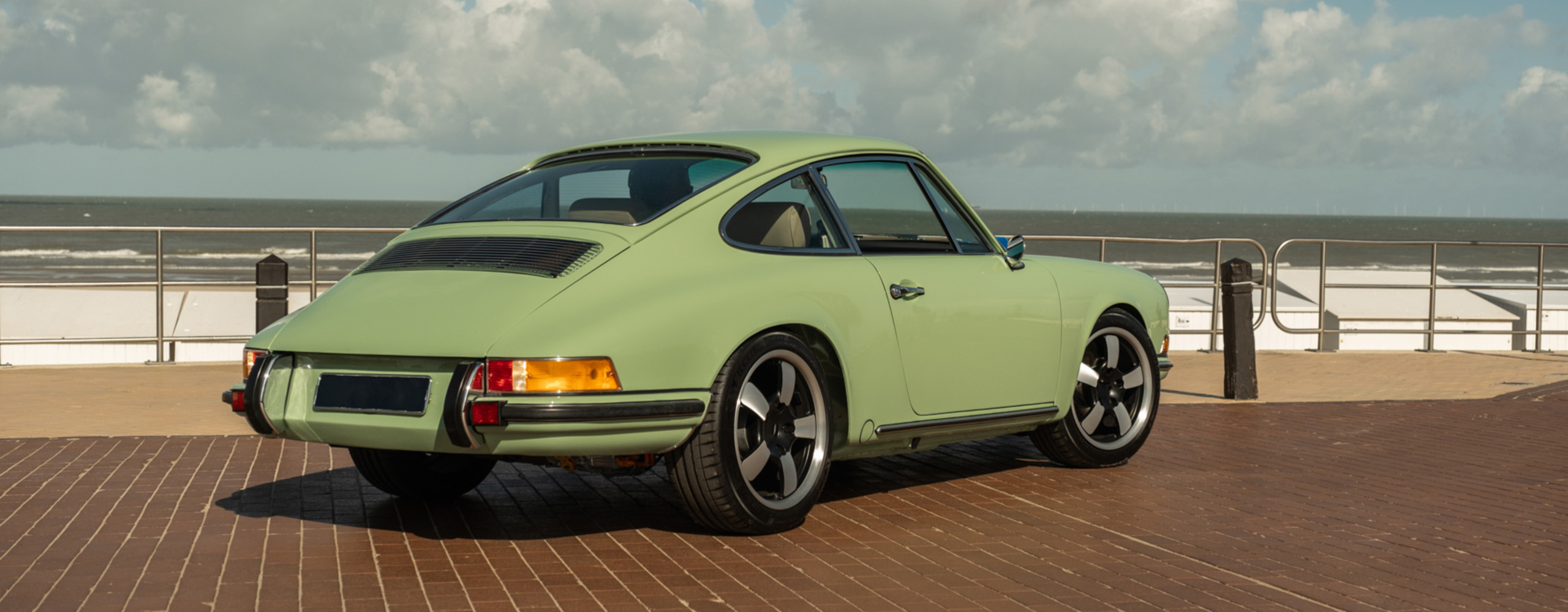
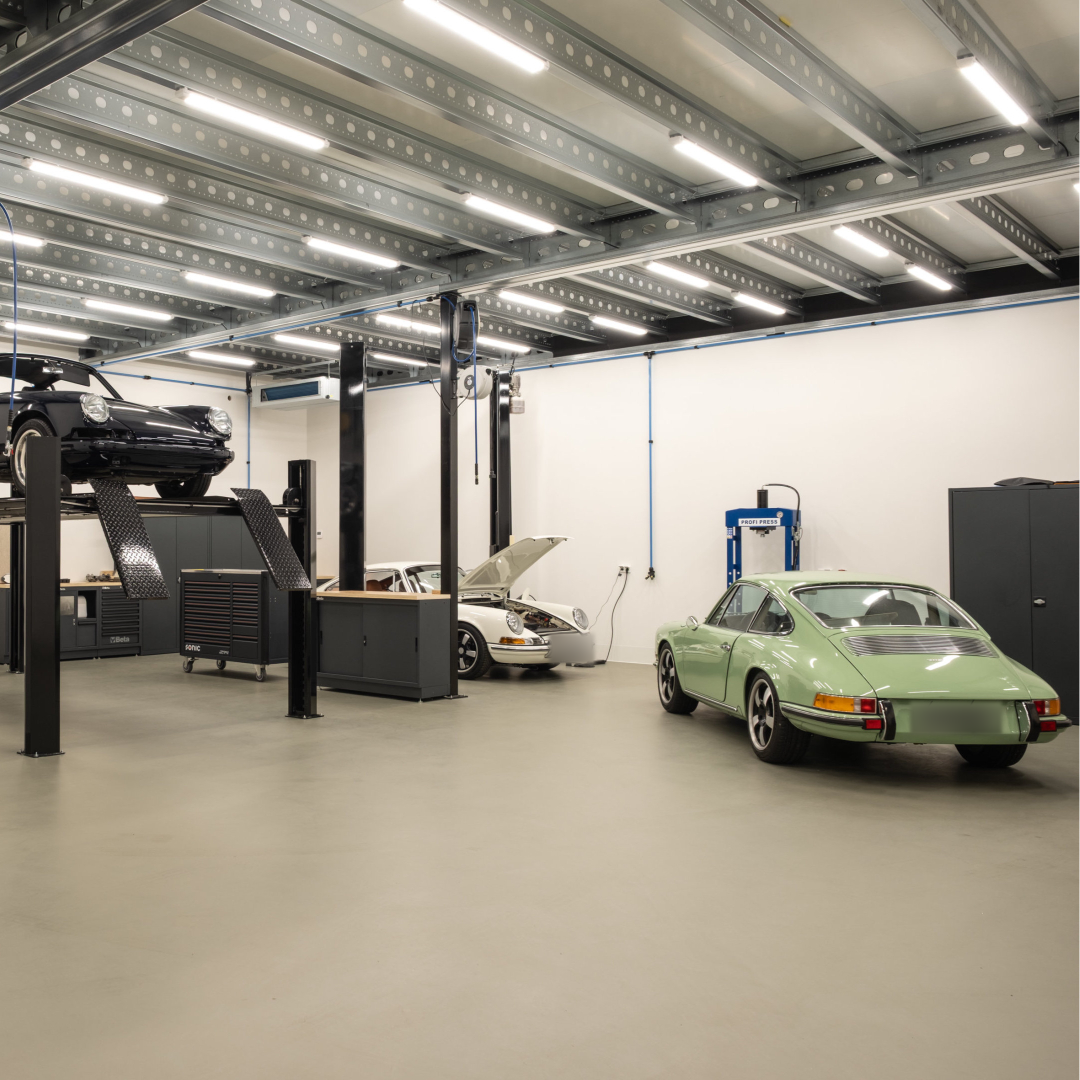
Finding the right donor car for your Revolt Electric is a crucial first step in the process. If you already own a suitable vehicle, we assess its condition and suitability for the proposed transformation. Alternatively, we help you identify suitable donor vehicles and, together with you, select the ideal foundation, which is then purchased by you. Your donor car then begins its journey through our bespoke restoration, customisation, engineering and electrification process.
STEP 2
Stripping the bodywork
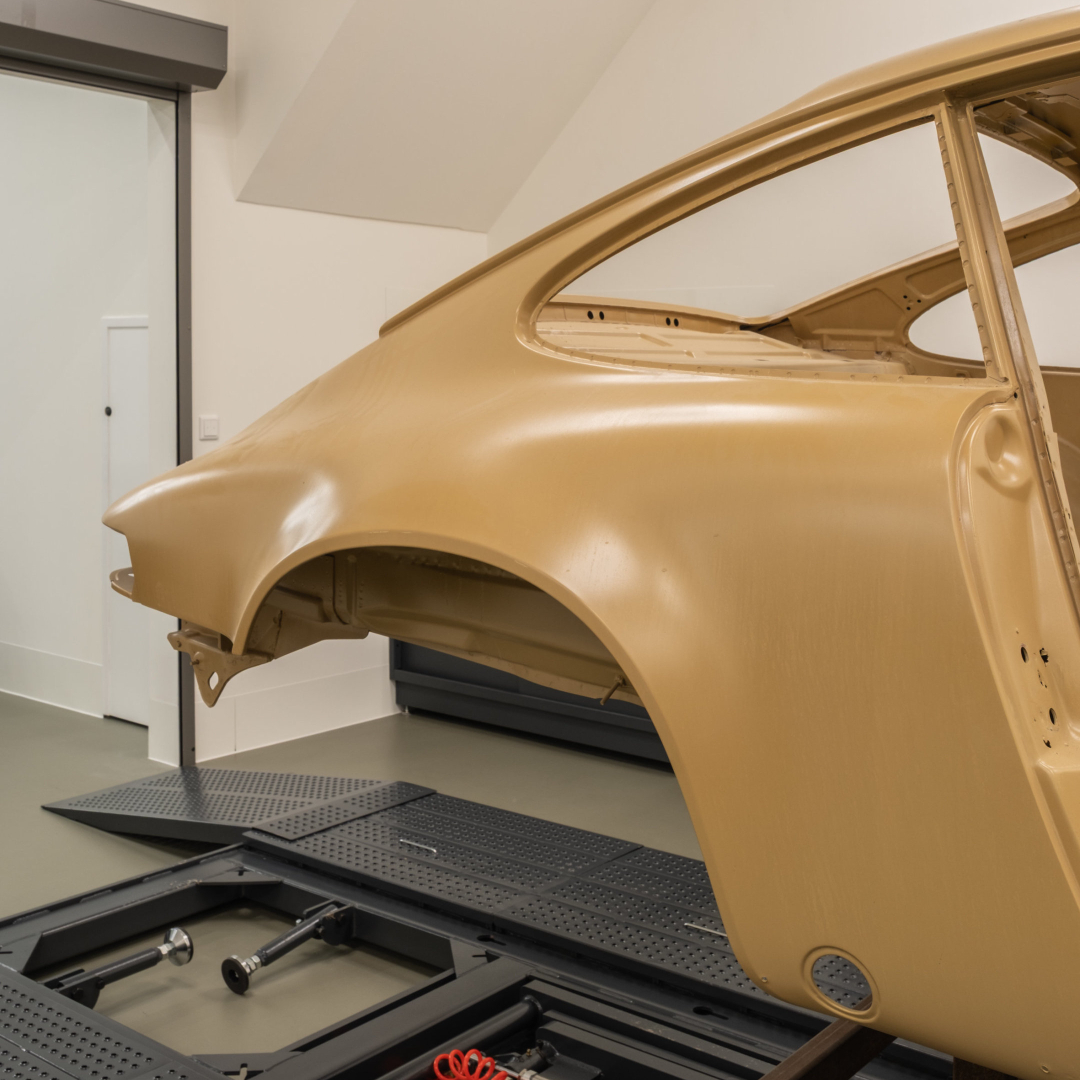
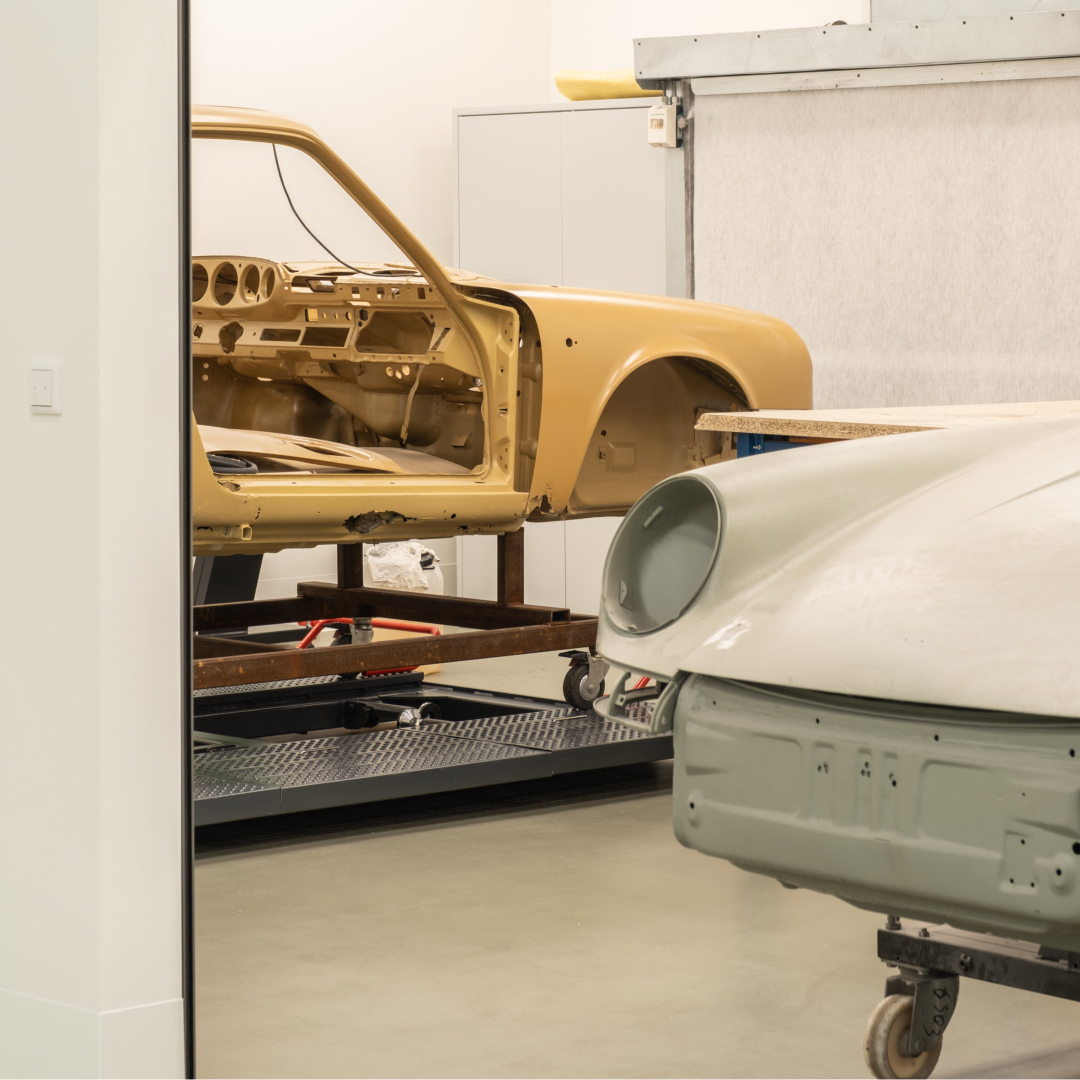
The body is stripped in a caustic soda bath at approximately 80 °C, which dissolves all paint, sealant, tectyl and filler. The average treatment takes around three days, during which the bodywork is checked meticulously. Once bare, it is hosed clean, dried and checked by hand for any residue. Lye does not react with ferrous metals and is therefore harmless to the bodywork.
STEP 3
Removing every trace of corrosion
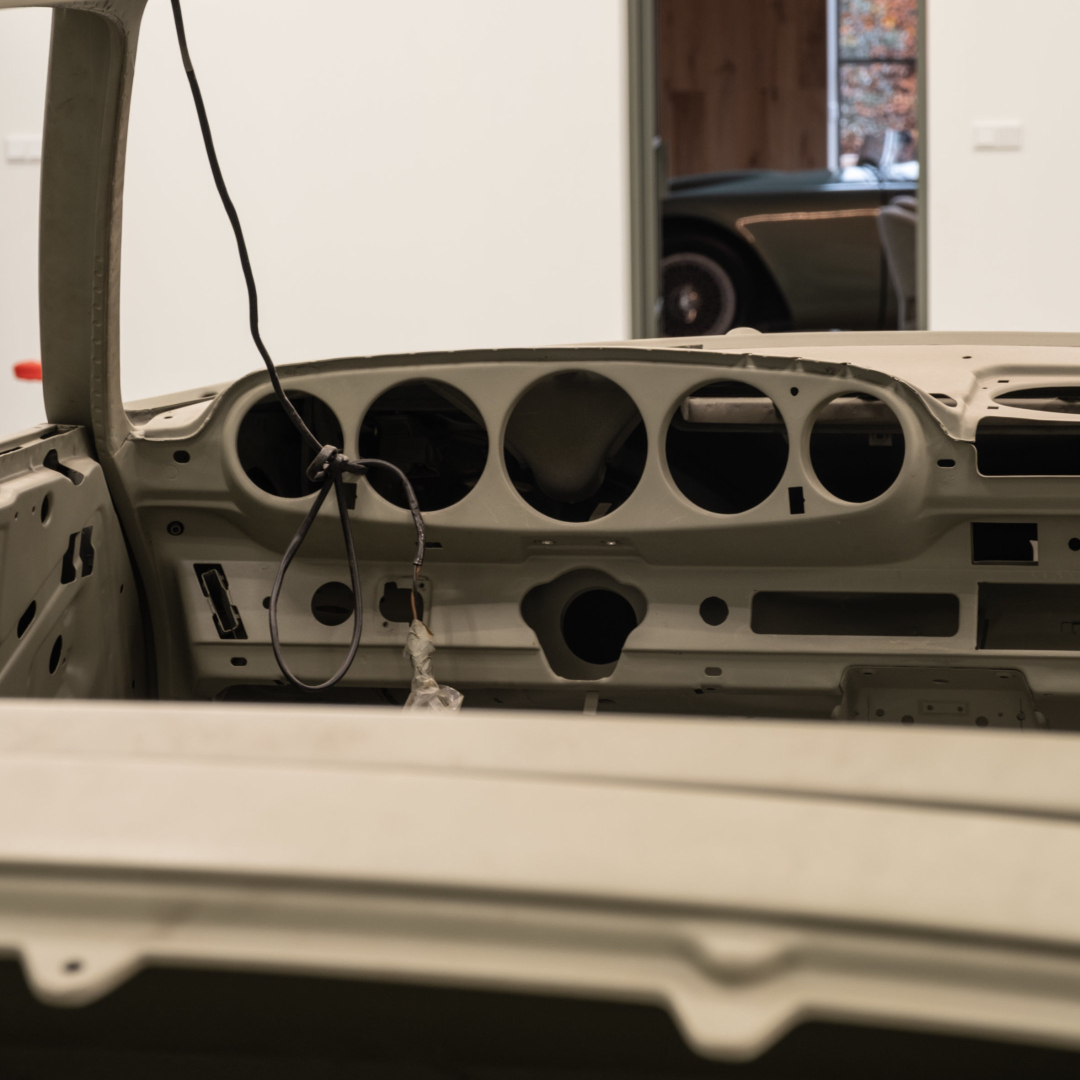
Derusting takes place in a phosphoric acid bath at around 50 °C. Phosphoric acid neutralises the caustic soda and, once dry, sets solid and never liquefies again. After the acid bath we double-check the entire chassis and restore the bodywork where needed.
STEP 4
KTL coating for long-term protection
To protect the stripped and derusted material optimally, we offer a KTL coating. KTL, or cataphoresis, stands for Kathodische Tauchlackierung: a highly rust-resistant, adhesive coating applied through an immersion bath system. It reaches hollow spaces and skin seams, and includes zinc phosphating for maximum protection. With this step, future rust development is ruled out.
STEP 5
Painting
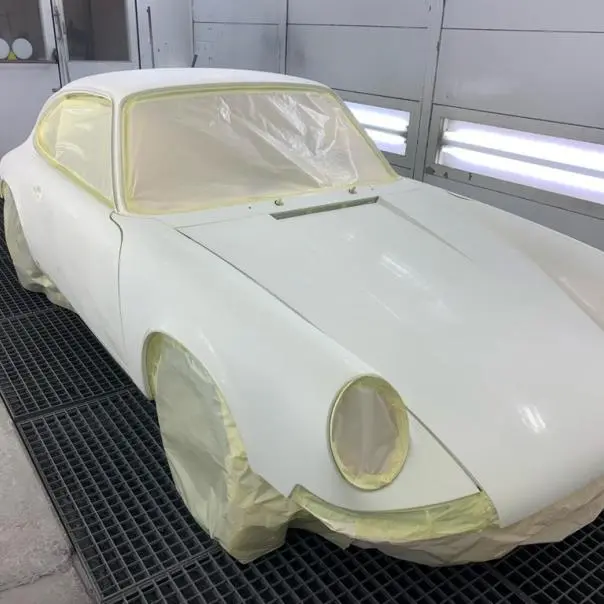
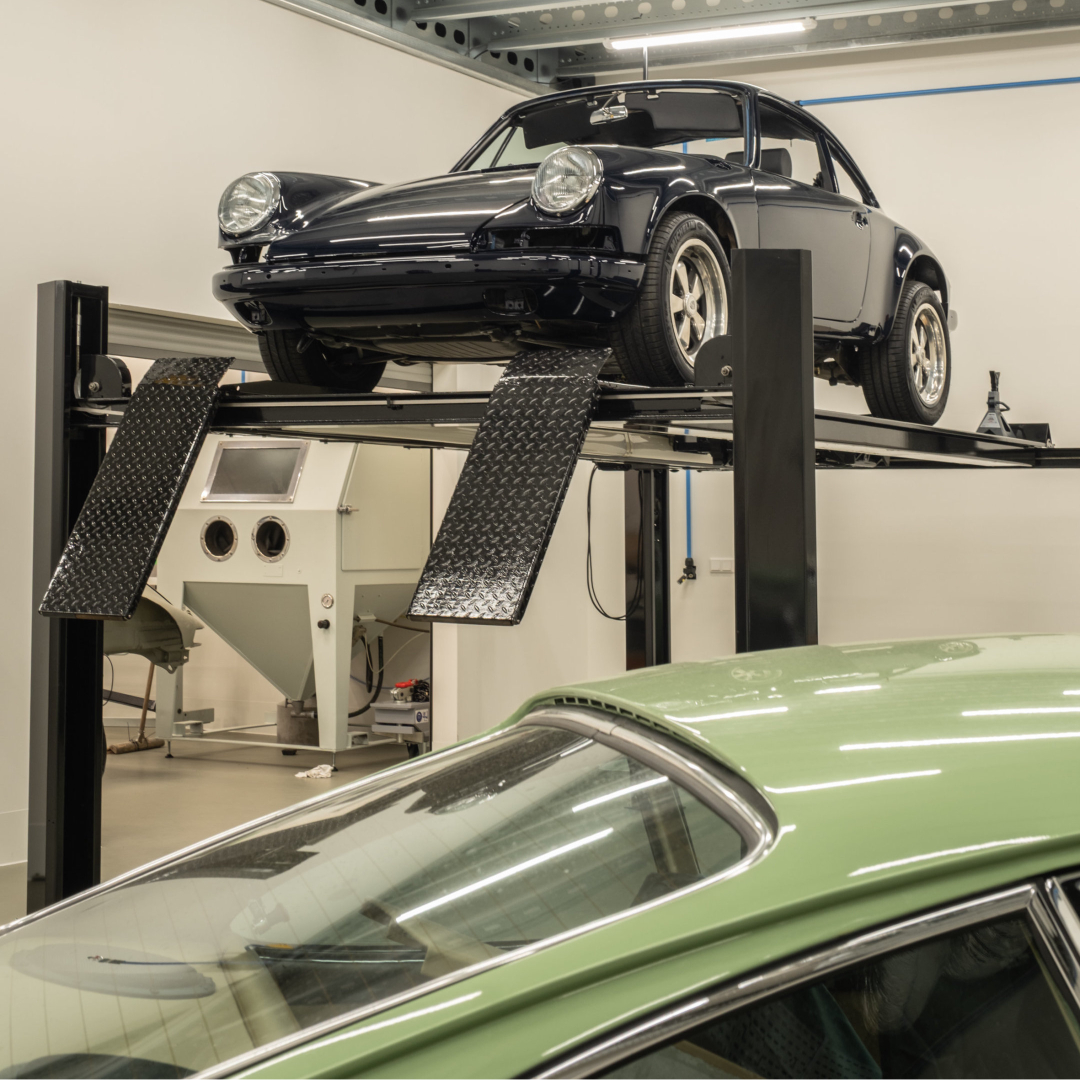
Once the bodywork has been fully restored and protected, it is finished in the colour and specification you have chosen. The car is then polished and, if desired, given an additional protective ceramic coating.
STEP 6
Rebuilding
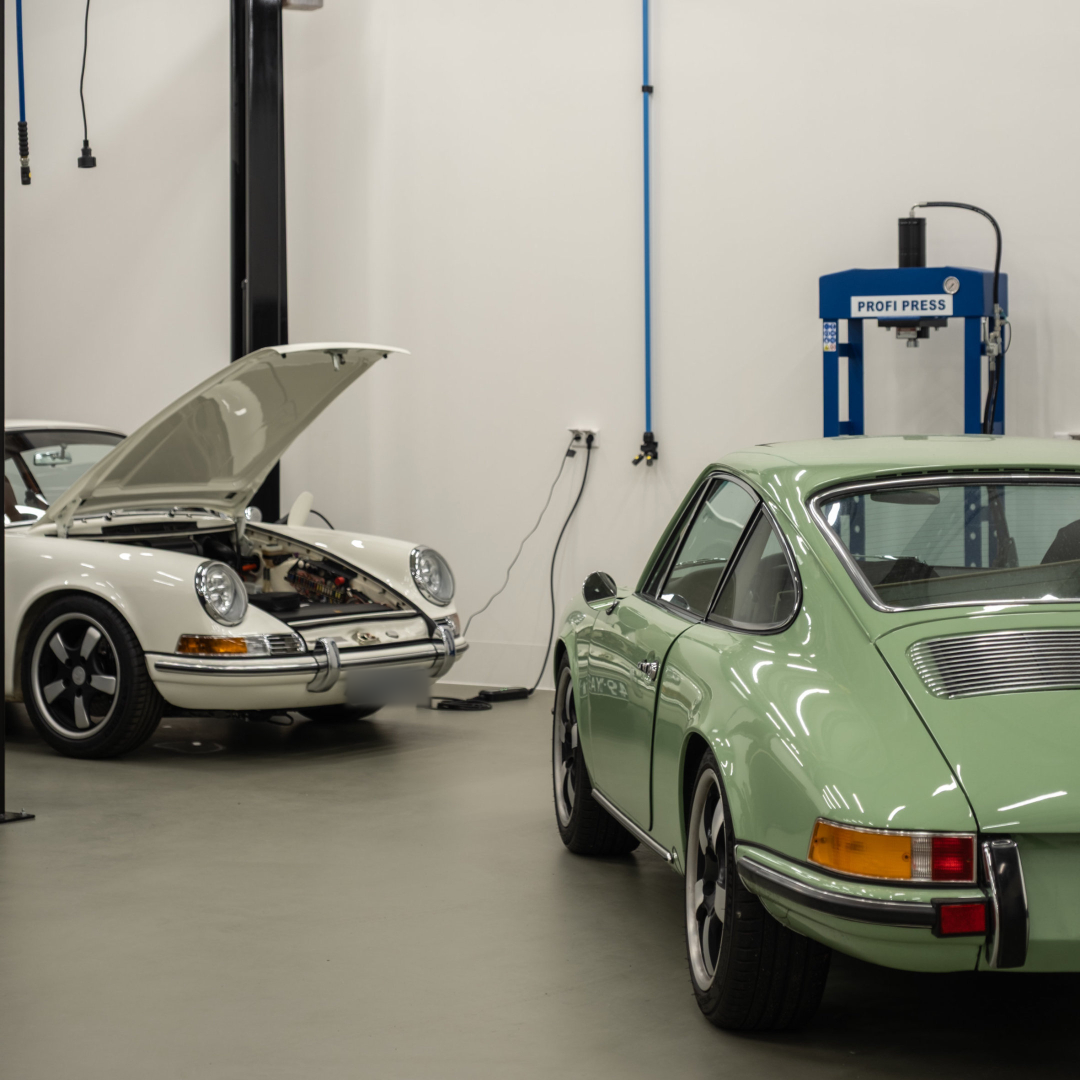
Every Revolt Electric is meticulously rebuilt. Each component is inspected, restored, rebuilt or replaced where necessary to meet our standards for performance, reliability and craftsmanship. This includes renewed suspension and steering components, a bespoke interior, a handcrafted steering wheel, modern climate control, premium audio and seamlessly integrated connectivity. Every element is configured around the preferences of its owner.
STEP 7
Electrification
The electric drivetrain comes from a leading electric vehicle manufacturer, recognised for outstanding performance and reliability. The motor is positioned at the rear, while the battery system is distributed to achieve optimal weight balance. A limited-slip differential and power steering ensure a modern driving experience. Each Revolt Electric can be configured with two distinct driving modes, from smooth, relaxed cruising to a more responsive, dynamic character.
Join the revolution
Owning a Revolt Electric is more than owning a car. It’s embracing a lifestyle, and aligning with a way of thinking that values heritage, innovation and individuality. It’s about being part of a community that celebrates craftsmanship, challenges norms and drives change.