Electric Engineering 5 min read
Managing Heat in a Classic Electric Conversion
An electric conversion changes where heat is produced and how it must be controlled. Cooling circuits, airflow and service access deserve attention long before the bodywork is complete.
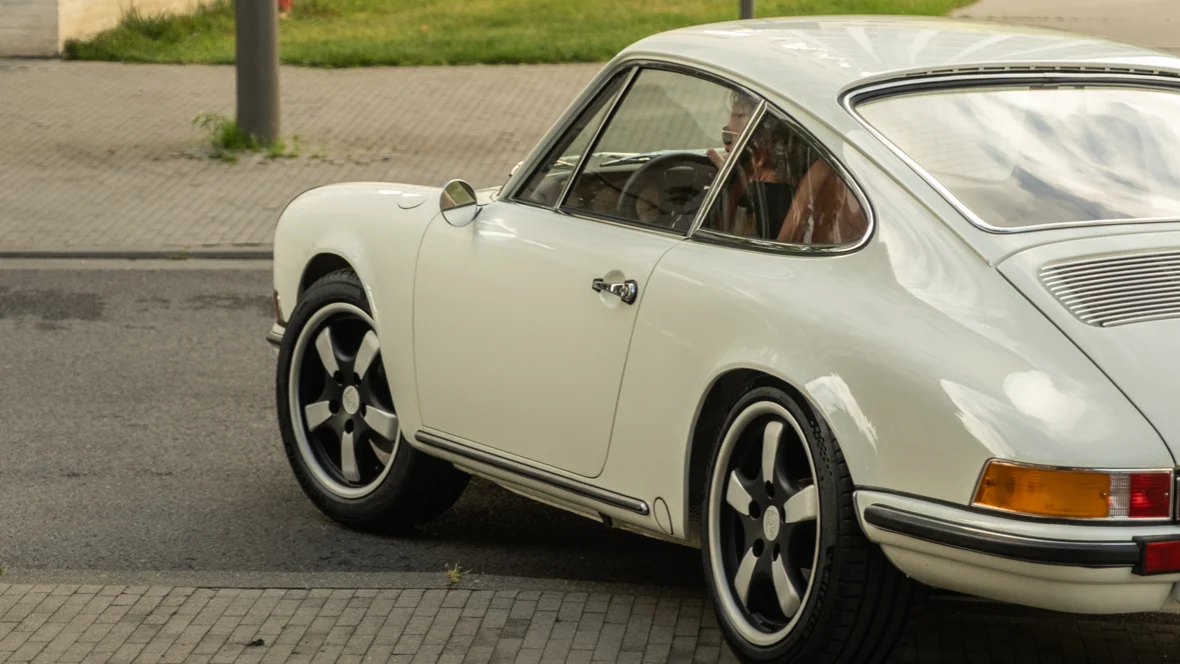
Removing a combustion engine does not remove the need to manage heat. An electric conversion introduces a different collection of heat sources, each with its own operating requirements. The engineering question is not simply where a radiator will fit, but how batteries, power electronics and the motor will behave together through driving, charging and periods at rest.
For a classic vehicle, that question meets a body designed around another powertrain. Grilles, underbody space and enclosed compartments become practical constraints rather than styling details. Revolt Classics describes a transformation process involving a custom-configured motor and a made-to-order battery solution. The principles below explain the thermal considerations behind this kind of engineering, rather than specifying the cooling arrangement of any particular Revolt conversion.
Different components need different temperatures
A traction battery, an electric motor and an inverter do not necessarily share the same preferred temperature range. The inverter controls electrical power delivered to the motor, and both generate heat through losses during operation. Battery temperature also affects how the pack can accept and deliver energy within its specified limits.
For the battery, temperature consistency matters alongside the overall reading. A pack can have a reasonable average temperature while individual areas are warmer or colder. Cell arrangement, cooling contact and the route heat must travel out of the pack all influence how evenly temperature can be managed.
This makes component selection an important starting point. The engineering brief needs the suppliers’ operating limits, cooling requirements and temperature-sensing provisions before the layout is settled. A motor’s headline output or a battery’s capacity cannot, by itself, explain what the complete system will need thermally.
Cooling circuits follow the components
There is no universal cooling arrangement for an electric conversion. Depending on the chosen equipment, components may use liquid cooling, air cooling or a combination of approaches. Where liquid circuits are involved, sharing one circuit can simplify some plumbing, but may create conflicts between components with different temperature requirements.
Separate circuits allow different operating conditions, but introduce additional pumps, hoses, connections and controls. Neither arrangement is automatically the better solution. The choice depends on the selected hardware, the heat that must be moved and the available means of releasing it to the surroundings.
Cold conditions belong in the same discussion. A battery may need warming rather than cooling before it can operate or charge as intended by its supplier. Whether heating or refrigeration-assisted cooling is necessary is a component-specific engineering decision, not a feature that should be assumed for every converted classic.
A radiator needs an airflow path
A heat exchanger only addresses part of the problem. Air must reach it, pass through it and leave without excessive restriction. A generous grille opening is not proof of effective cooling if air can bypass the core or collect in a crowded compartment behind it.
Classic bodywork can make the exit path particularly important. Battery enclosures, protective panels and other newly packaged equipment may occupy spaces through which air once travelled. Ducting, fan placement and surrounding clearances therefore need consideration together, rather than as separate details added after the main components are installed.
Road speed changes the available airflow, while stationary charging presents a different condition altogether. A layout that rejects heat adequately while moving may require active airflow when parked. Fans also introduce sound, so their installation affects the character of a quiet electric vehicle as well as its thermal behaviour.
Controls must account for more than driving
Thermal management is a control task as much as a plumbing task. Sensors provide information, while pumps, fans, valves and any heating or chilling equipment respond according to the system design. Where temperatures are measured matters, because one reading cannot necessarily describe conditions throughout an entire circuit or battery pack.
Acceleration, sustained climbing, slow traffic and charging place different demands on the system. Charging is especially worth considering separately from driving: the vehicle may be stationary while the battery and charging equipment produce heat. The relevant operating cases must come from the intended use and the chosen components.
Protective responses also need definition. Depending on the equipment, controls may reduce available power, limit charging or stop an operation when specified limits are reached. These responses should be coordinated and understandable to the driver, rather than treated as an unexpected fault to investigate only after assembly.
Leave room to test and maintain the system
A tidy installation is not necessarily an accessible one. Pumps, connections and inspection points need a considered position, with room for the relevant maintenance operations. Filling, draining and removing trapped air from a liquid circuit should be addressed in the layout, not improvised around completed trim and bodywork.
Material and fluid compatibility also deserve explicit attention. Coolant, seals, metals and hoses must suit the selected components and supplier requirements. Pipework needs suitable support and protection from movement, abrasion and nearby heat sources; neat routing alone does not establish its suitability.
Verification should examine the assembled vehicle under representative conditions, not merely confirm that a pump runs in the workshop. Useful evidence includes component temperatures, temperature differences and the response of controls during defined operating cases. Revolt’s published process includes assembly checks and comprehensive testing, but the precise thermal test plan for an individual conversion requires project-specific confirmation.
- Which supplier limits determine the cooling and heating requirements?
- How will heat be rejected while the vehicle is stationary?
- Which parts need access for inspection, filling and maintenance?
- What operating conditions will be used to verify the complete installation?
Conclusion
Thermal management connects component choice, packaging, control strategy and long-term maintenance. It cannot be judged from the size of a radiator or the appearance of an engine bay alone. The useful question is whether the complete installation can manage the operating conditions expected of it, within the limits of its chosen equipment.
For a classic electric conversion, resolving those relationships early helps protect both the engineering layout and the visual restraint of the finished car. The most valuable work is often hidden: clear airflow routes, accessible connections and controls that respond appropriately when conditions change.