Automotive Heritage 5 min read
Before Restoration: Recording a Classic Car’s History
A classic car’s history lives in paperwork, materials and small alterations. Recording that evidence before restoration helps preserve a more honest account of the vehicle.
A worn pedal rubber, an old invoice and a different shade beneath a door trim can each reveal something about a classic car. None tells the whole story. Together, however, they offer a record of how the vehicle was built, maintained and changed. Restoration can make that evidence harder to read, especially once surfaces are stripped and components separated.
Before choosing what to renew, it is worth recording what exists. This is not about treating every repair as historically significant or resisting thoughtful change. It is about giving future decisions a reliable starting point. Whether the next chapter involves sympathetic restoration or electric conversion, a clear record helps distinguish inherited history from the work carried out today.
Build a history from evidence, not assumptions
Begin with the documents already associated with the car: service invoices, inspection records, photographs, handbooks and correspondence. Arrange them chronologically, retaining the originals and making readable digital copies. A dated invoice may establish that work was billed, but it does not necessarily prove that the same components remain fitted.
Keep documented facts separate from recollections and interpretations. A previous owner’s account can provide useful leads, while a photograph may help establish an earlier colour or accessory. Record the source of each detail rather than combining everything into one apparently certain narrative.
Gaps should remain visible. If a period of ownership is unknown, say so; if two records disagree, retain both accounts until further evidence emerges. A modest history with clearly identified uncertainties is more useful than an elaborate story that cannot be checked.
Photograph the car before taking it apart
An initial photographic survey should move from the whole vehicle to individual details. Record exterior views, the cabin, luggage areas and accessible mechanical spaces before concentrating on particular features. Include ordinary areas as well as attractive ones: an archive made only of presentation photographs leaves much unexplained.
Give close-up images context. A photograph of a bracket or handwritten marking is more useful when another image shows where it sits. Use consistent file names and brief notes identifying the location, date and reason for recording it.
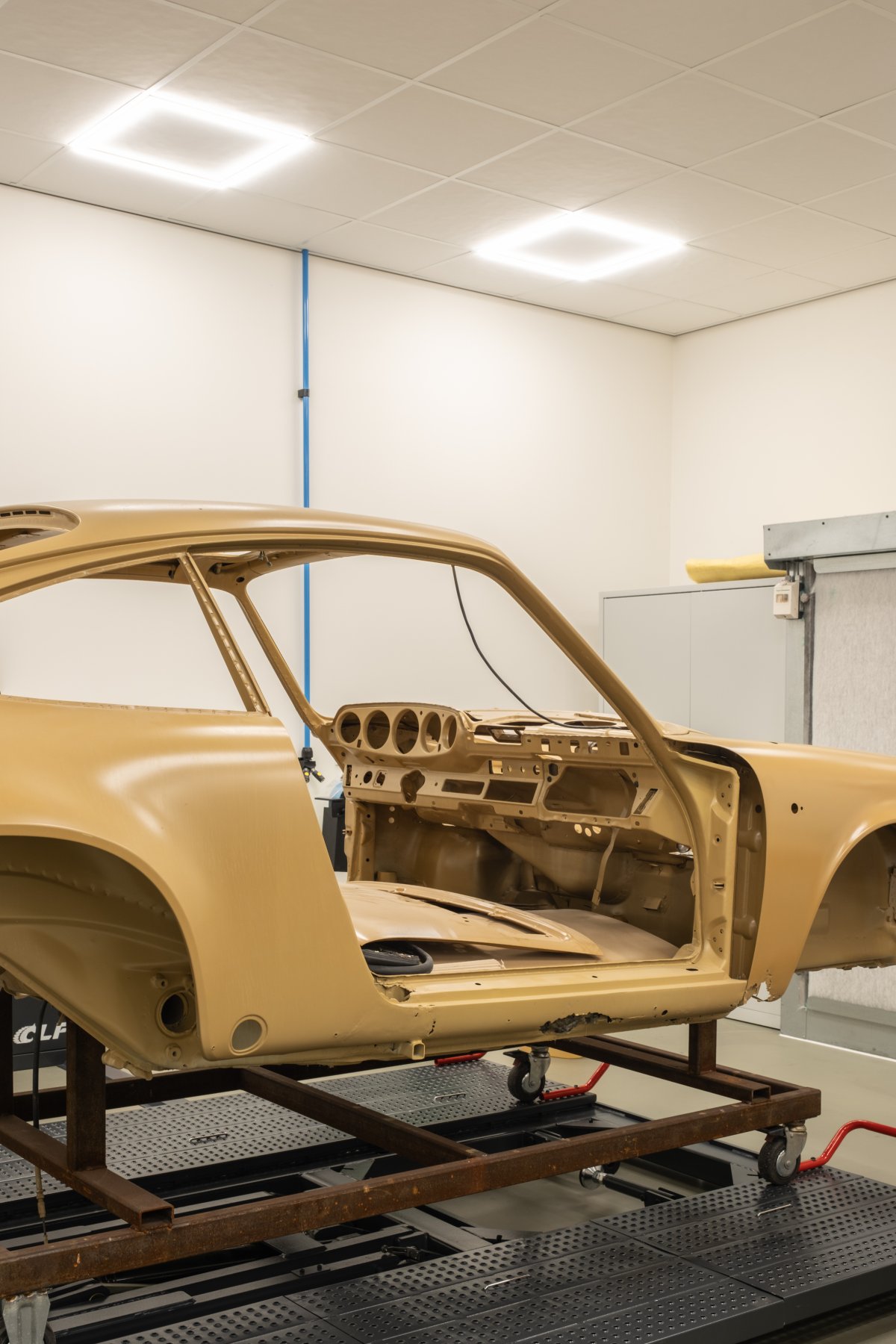
Continue the record as dismantling reveals concealed surfaces. Earlier finishes, redundant holes and old repairs may become visible only after trim or equipment is removed. These are observations to investigate, not automatic proof of factory practice; record them before cleaning or refinishing changes their appearance.
Read wear and repairs with care
Wear can make a car feel particular rather than anonymous. A polished switch, softened seat edge or repaired piece of trim may reflect years of use. Yet appearance alone cannot reliably establish age, mileage or originality: replacement parts also wear, and older restorations develop their own patina.
Assess an item’s historical interest separately from its condition and function. A component may be worth documenting without being suitable for continued use. Decisions affecting structure, braking, steering or electrical systems require specialist assessment, not a preference for keeping old material at any cost.
Where a surface or small detail matters to the car’s story, record why before deciding its future. That explanation might concern an identifiable repair, a distinctive material or a connection supported by photographs. The aim is to make a considered judgement, rather than treating either untouched condition or complete renewal as inherently superior.
Make a clear record of what changes
A restoration brief becomes more useful when it explains the reasoning behind the work. Separate what is to be retained, repaired, replaced or altered, and note the reason for each significant decision. This gives the finished car a history of its transformation, rather than just a collection of before-and-after photographs.
Electric conversion makes this distinction especially important because the vehicle’s mechanical configuration changes substantially. Record the earlier arrangement and describe the later configuration accurately. Preserving a classic silhouette should not obscure the difference between the donor vehicle’s original specification and its transformed state.
Revolt Classics describes its work as independent restoration, customisation and conversion of customer-owned donor vehicles. Its published process includes inspection, disassembly, body restoration, electric engineering and reassembly. A historical record can sit alongside that work, but should not be mistaken for evidence of original-manufacturer involvement or endorsement.
- The item or area concerned and its recorded condition.
- The decision taken and the reason behind it.
- Supporting photographs or documents.
- The date of the work and any unresolved questions.
Create an archive that survives the project
An archive is only useful if someone else can navigate it. Organise the material into a small number of clearly named folders, with an index explaining their contents. Keep original image files as well as edited selections, and store a separate backup rather than relying on one device.
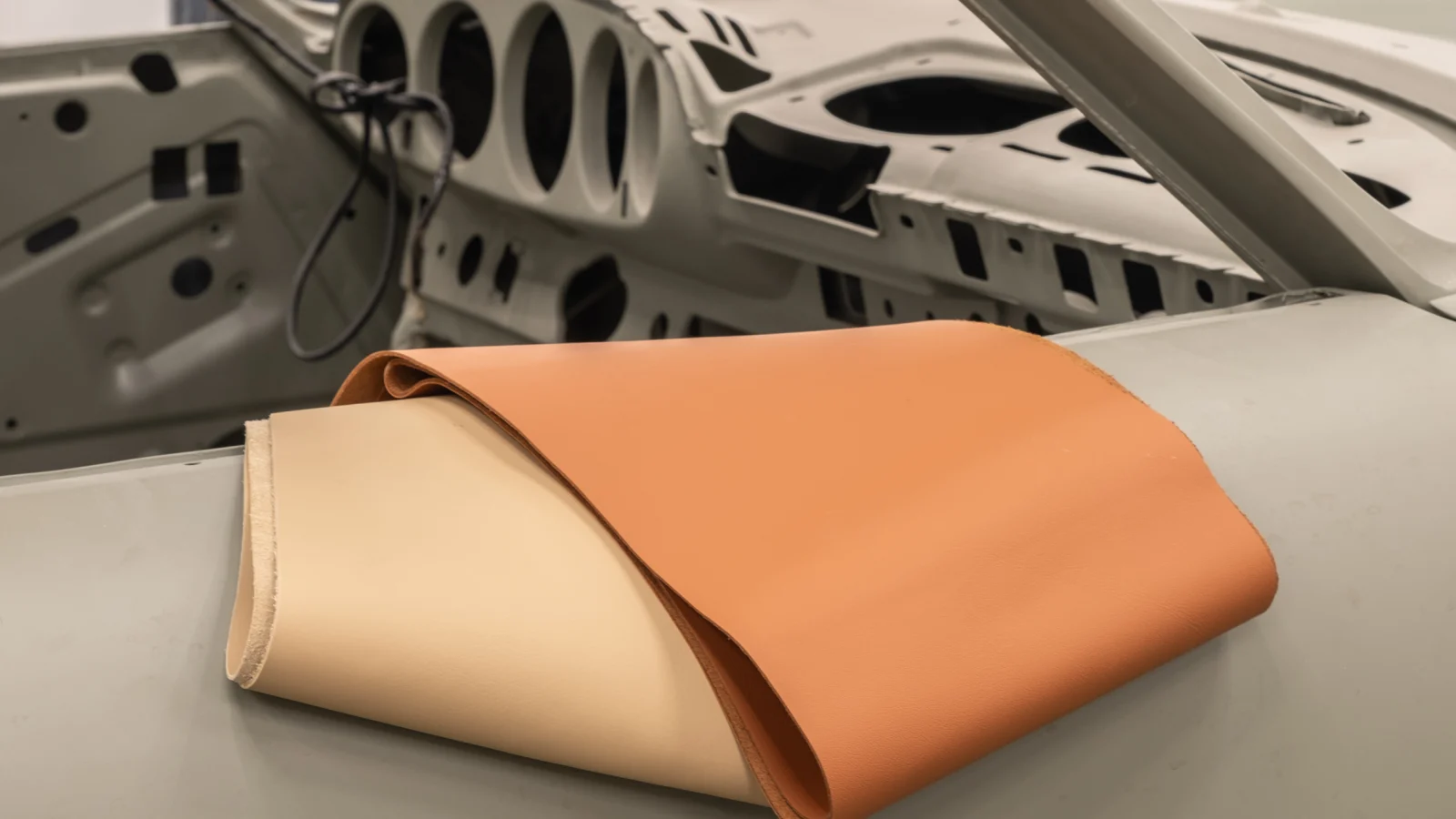
Link significant removed items to the record where practical. A labelled trim sample or a photographed component can explain an earlier choice long after the work is complete. Storage, handling and retention need agreement with the specialist involved, particularly where items are bulky, contaminated or potentially hazardous.
Keep private information out of copies intended for wider sharing. Old invoices and correspondence may contain addresses or other personal details that add nothing to the vehicle’s public history. A concise summary can accompany the fuller archive, allowing the story to be understood without exposing every document.
Conclusion
Recording a classic car’s history does not require every decision to favour the past. It gives restoration and thoughtful modification a firmer basis, preserving evidence even where materials or mechanical systems change. The most valuable record is clear about both continuity and difference.
Start before dismantling, distinguish evidence from interpretation and keep documenting as the work progresses. The result is more than a record of a finished car: it is an understandable account of what was inherited, what was discovered and what was deliberately changed.