Revolt Lifestyle 5 min read
The Art of a Day Out in an Electric Classic
A rewarding day tour begins with a well-chosen destination, a realistic charging plan and enough freedom to take the interesting road home.
A good day out in a classic car rarely follows the fastest route. It might begin with a quiet road through open countryside, pause at a garden or gallery, and end with a different way home. In an electric classic, that freedom benefits from a little preparation: knowing the car, understanding the available charging options and choosing stops that belong to the day rather than interrupt it.
The aim is not to turn a leisurely drive into a timetable. It is to settle the practical questions before departure, leaving more attention for the road and the places along it. Start with the experience you want, then build a route with enough room for changes.
Choose the purpose before the route
Decide what the outing is really for. A morning drive with lunch calls for a different plan from a full day visiting a historic house. One main destination usually provides a clearer starting point than a long collection of places you hope to reach.
Then consider the rhythm of the journey. Allow for slower roads, a proper stop and time to walk around when you arrive. A route that looks elegant on a map can feel crowded when every pause leaves you watching the clock.
At Revolt Classics, the transformation begins with a conversation about style, driving experience and individuality. For an owner, that same attention to intended use is useful when planning a tour. A car chosen for unhurried outings need not have its day organised around covering the greatest possible distance.
Plan around the individual car
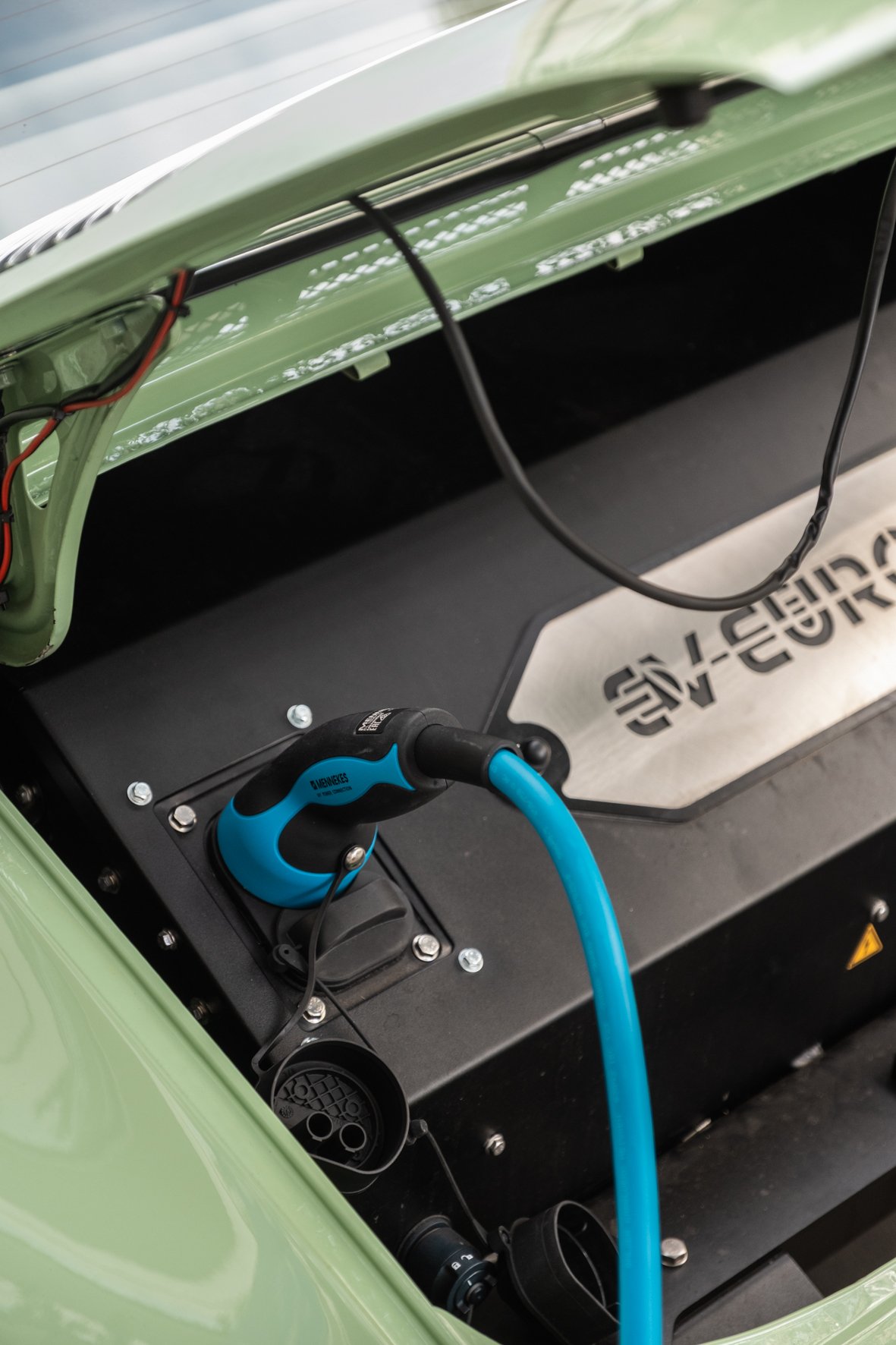
An electric conversion should be understood through its own specification, not through assumptions about another electric vehicle. Before planning an unfamiliar journey, establish the charging connection, supported charging arrangements and the operating guidance for that particular car. A connector that appears suitable is not, by itself, confirmation of compatibility.
Use experience from comparable journeys to inform the distance you plan to cover. Road speed, weather, terrain and vehicle configuration can affect energy use. A published range figure is not a promise that the same distance will be available on every outing.
Leave a sensible reserve rather than designing the day around arriving nearly empty. The appropriate margin depends on the vehicle and the journey, so it should follow vehicle-specific guidance rather than a universal percentage. Early tours are best kept straightforward while you become familiar with the car.
- The car’s charging connection and supported charging method.
- Any cable or equipment the vehicle requires you to carry.
- The relevant operating instructions and known charging limitations.
- A suitable alternative if the intended charger cannot be used.
Make the charging stop worth visiting
If the day requires charging, look for a stop where you would be happy to spend time anyway. A walk, lunch or a visit can give the pause a purpose beyond replenishing the battery. Choose the stop for both its practical suitability and its place in the day.
Check the details directly before travelling. A charger shown near a destination may be in a separate car park, beyond a controlled entrance or available only during particular hours. Access arrangements, payment methods and parking conditions deserve as much attention as the location pin.
Do not assume that a charger will be free or working when you arrive, or that a meal will provide enough time for the charge you need. Identify another compatible option within your planned reserve. Keep the day flexible enough to move on without sacrificing its main purpose.
Look beyond the destination postcode
The final approach can matter as much as the road that leads there. Check whether the venue has a steep entrance, an uneven track or parking that may be awkward for your particular vehicle. Where access is unclear, ask the venue rather than relying solely on photographs.
Consider what happens after you park, too. A remote charging bay may be less convenient for a passenger who finds a long walk difficult. A destination with suitable parking but no shelter can also be a poor choice for a lengthy stop in unsettled weather.
Pack for the outing rather than for every imaginable eventuality. Walking shoes, a weatherproof layer and the information needed to contact the destination may be more useful than an elaborate touring kit. Keep belongings secured and follow the car’s guidance on luggage and equipment storage.
Give the return journey its own plan
It is easy to lavish attention on the outward route and treat the return as an afterthought. Before setting off, choose a straightforward way home as well as the more scenic option. If lunch runs late or the weather changes, the simpler route should already be familiar.
Reassess before leaving your destination. Check the available charge, the intended route and any information needed for a further stop. A detour or a change in conditions may make the original plan less suitable, even when the outward journey went exactly as expected.
Afterwards, record a few useful observations: the route taken, charging arrangements that worked and stops you would revisit. Over several outings, this becomes a personal touring reference rather than a rigid itinerary. It helps the next day out begin with experience, not guesswork.
Conclusion
The most satisfying electric-classic tour is not necessarily the longest or the most ambitious. It is one in which the route suits the car, the stops suit the people travelling and a change of plan does not spoil the day. Preparation earns its place by making those decisions easier.
Choose a destination worth reaching, understand the individual vehicle and leave room for an alternative. With the practical details settled, the pleasure of the outing can return to its proper place: the drive, the company and somewhere interesting to stop.